Seeing ants in the kitchen, hearing scratching in the attic, or noticing mud tubes near your foundation? Tyler homeowners can face a range of household pest problems. Warm East Texas weather, seasonal rain, landscaping, and accessible food or shelter all influence pest activity.
This guide explains 10 common household pests in Tyler, TX, how to recognize them, practical steps to reduce them, and when to call a professional. It is a practical list of pests relevant to the area, not a statistical ranking of local infestation rates.
Need help now? Explore professional pest control in Tyler, TX or call InfestAway at (903) 388-7516.
Why Tyler, TX Homes Experience Pest Problems
Tyler is in Smith County, East Texas. Wooded lots, landscaped yards, moisture around foundations, storage areas, and small openings in buildings can create favorable conditions for insects and rodents. Some pests become more noticeable during warm, wet periods, while others remain active indoors year-round.
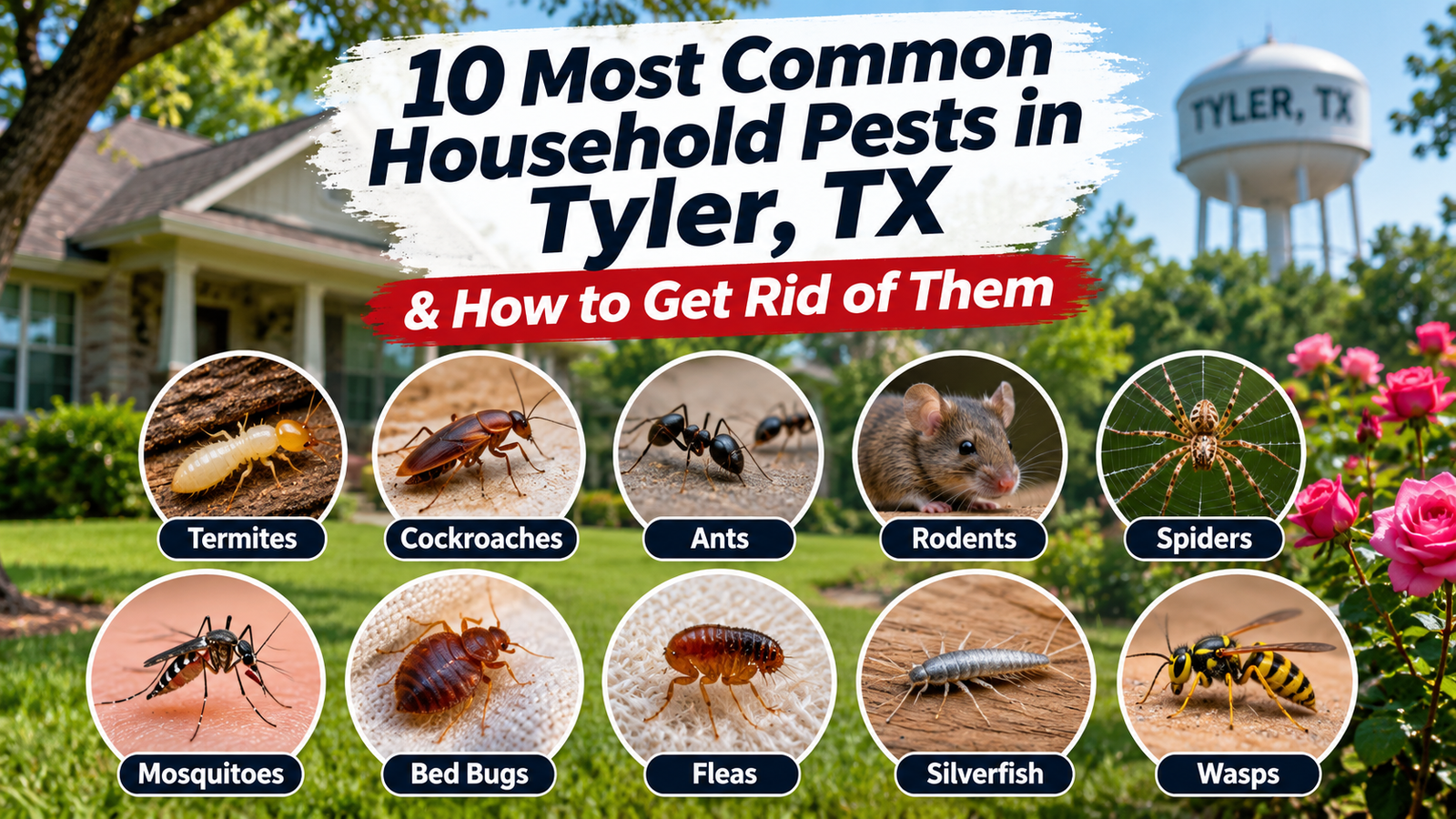
10 Common Household Pests in Tyler, Texas
1. Termites
Signs to watch for: Mud tubes on foundations, discarded wings, or wood that appears damaged.
How to get rid of or manage them: Subterranean termites can reach wood from soil and remain hidden. Reduce moisture, correct wood-to-soil contact, and arrange an inspection when signs appear.
Learn more: Termite bait stations.
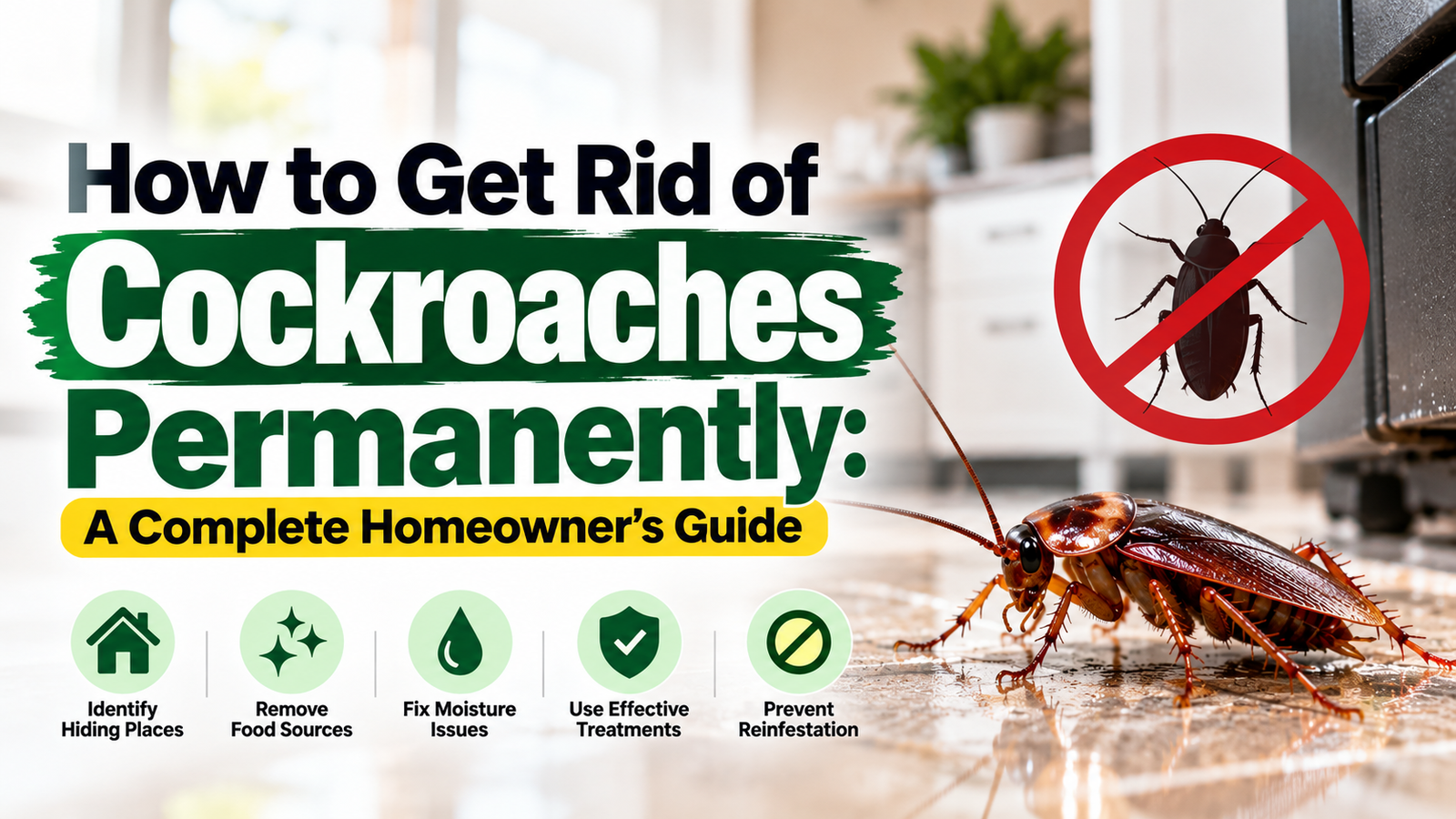
2. Cockroaches
Signs to watch for: Nighttime sightings, droppings near appliances, egg cases, or recurring activity around sinks.
How to get rid of or manage them: Clean grease and crumbs, repair leaks, seal plumbing gaps, and use correctly labeled baits. Persistent indoor infestations may need targeted professional treatment.
Learn more: Cockroach control.
3. Ants
Signs to watch for: Ant trails on countertops, outdoor mounds, or recurring activity around pet food.
How to get rid of or manage them: Identify the species before treatment. Store food securely, clean spills, trim vegetation touching the house, and use suitable labeled baits rather than randomly spraying trails.
Learn more: General pest control.
4. Rats and Mice
Signs to watch for: Scratching in walls or attics, droppings, gnaw marks, and disturbed food packaging.
How to get rid of or manage them: Remove food access, inspect vents and utility penetrations, trap where appropriate, and close openings using rodent-resistant materials. Avoid dry sweeping rodent droppings.
Learn more: Rodent exclusion.
5. Spiders
Signs to watch for: Webs in corners, spiders around storage boxes, or activity near exterior lighting.
How to get rid of or manage them: Reduce clutter, vacuum webs, seal gaps, and address the insects that spiders feed on. Avoid handling unknown spiders, especially potentially medically significant species.
Learn more: Spider control.
6. Mosquitoes
Signs to watch for: Frequent bites outdoors and standing water in containers, clogged gutters, or low spots.
How to get rid of or manage them: Empty water-holding containers weekly, maintain screens and drainage, use EPA-registered repellents as directed, and consider targeted professional mosquito management.
Learn more: Mosquito control.
7. Bed Bugs
Signs to watch for: Live bugs in mattress seams, dark spotting, shed skins, or insects near bed frames.
How to get rid of or manage them: Inspect sleeping areas, carefully launder suitable fabrics, reduce clutter, and avoid unsafe DIY heating or foggers. Confirmed infestations often need a coordinated treatment plan.
Learn more: Bed bug treatment.
8. Fleas
Signs to watch for: Pets scratching, small jumping insects, flea dirt in fur, or bites around ankles.
How to get rid of or manage them: Work with a veterinarian on pet treatment, wash bedding, vacuum carpets and upholstery, and address environmental flea stages. Never use dog-only flea products on cats.
Learn more: Flea control.
9. Silverfish
Signs to watch for: Fast-moving silver insects in bathrooms or storage rooms and damage to paper products.
How to get rid of or manage them: Fix leaks, improve ventilation, lower humidity, protect stored documents, and vacuum concealed areas. Ask about treatment availability if activity persists.
10. Wasps and Stinging Insects
Signs to watch for: Visible nests near eaves or porches and repeated flights to a single opening.
How to get rid of or manage them: Keep food and trash covered and avoid disturbing active nests. Large or inaccessible nests near people should be assessed by a qualified professional; confirm treatment availability.
Quick Reference: Pest Signs and First Steps
| Pest | What to look for |
|---|---|
| Termites | Mud tubes on foundations, discarded wings, or wood that appears damaged. |
| Cockroaches | Nighttime sightings, droppings near appliances, egg cases, or recurring activity around sinks. |
| Ants | Ant trails on countertops, outdoor mounds, or recurring activity around pet food. |
| Rats and Mice | Scratching in walls or attics, droppings, gnaw marks, and disturbed food packaging. |
| Spiders | Webs in corners, spiders around storage boxes, or activity near exterior lighting. |
| Mosquitoes | Frequent bites outdoors and standing water in containers, clogged gutters, or low spots. |
| Bed Bugs | Live bugs in mattress seams, dark spotting, shed skins, or insects near bed frames. |
| Fleas | Pets scratching, small jumping insects, flea dirt in fur, or bites around ankles. |
| Silverfish | Fast-moving silver insects in bathrooms or storage rooms and damage to paper products. |
| Wasps and Stinging Insects | Visible nests near eaves or porches and repeated flights to a single opening. |
Seasonal Pest Prevention in Tyler
Spring
Check for termite swarmers, ant trails, and standing water after rain. Inspect foundation drainage and repair leaks.
Summer
Focus on mosquito breeding sites, food storage, pet flea prevention, and moisture that supports cockroaches.
Fall
Inspect attic vents, door sweeps, and exterior gaps as rodents and other pests look for sheltered spaces.
Winter
Continue monitoring indoor pests. Bed bugs, rodents, and some cockroaches can remain active inside heated buildings.
7 Ways to Reduce Household Pest Problems
- Seal entry points: Check doors, windows, pipes, vents, and foundations.
- Control moisture: Fix leaks and improve drainage.
- Store food securely: Clean crumbs and keep pet food in closed containers.
- Maintain landscaping: Trim branches and remove debris touching the building.
- Remove standing water: Empty buckets, planters, and other containers.
- Inspect storage spaces: Watch for droppings, nests, insects, and damaged materials.
- Act on repeated signs: Identify the pest before choosing a treatment.
DIY Pest Control vs. Hiring an Exterminator in Tyler
Sanitation, exclusion, moisture management, and correctly labeled consumer products can help with some minor pest problems. Professional assessment is especially useful when termites are suspected, rodents are nesting inside walls, bed bugs are confirmed, cockroaches keep returning, or the pest cannot be identified. Treatment should match the species and property conditions.
Professional Pest Control in Tyler, TX
InfestAway Pest Control is based in Palestine, Texas, and serves Tyler-area customers. Available services include general pest control, termite bait stations and liquid treatments, rodent control and exclusion, bed bug treatment, cockroach and flea control, mosquito control, and pest control insulation. For silverfish or stinging-insect concerns, contact the team to confirm specific service availability.
Need a treatment plan for your property? Visit our Tyler pest control service page, request service online, or call or text (903) 388-7516.
Frequently Asked Questions About Pests in Tyler, TX
What are the most common household pests in Tyler, Texas?
Tyler-area homeowners may encounter termites, cockroaches, ants, rodents, spiders, mosquitoes, bed bugs, fleas, silverfish, and stinging insects. The mix varies by property and season.
Which household pests can damage a home?
Subterranean termites can damage wood, and rodents may gnaw materials and contaminate stored food. Suspected structural damage warrants professional evaluation.
When is termite season in Tyler, TX?
Subterranean termite swarms are often noticed during suitable warm and humid periods, but colonies can remain active when conditions permit. No visible swarm does not rule out an infestation.
Why do cockroaches keep coming back?
Hidden harborages, moisture, food access, and untreated breeding areas can sustain activity. Identification, targeted treatment, sanitation, and follow-up are often necessary.
How do I keep rodents out of my attic?
Inspect roofline and vent openings, reduce accessible food, manage vegetation, and seal suitable gaps with rodent-resistant materials. Active infestations may need trapping and exclusion.
How often should I schedule pest control in Tyler?
It depends on the pest, property conditions, and whether you need treatment for an active infestation or preventive monitoring. Ask for a plan based on your property.
Can I treat bed bugs myself?
Some measures can help, but bed bugs hide in small spaces and are difficult to eliminate. Avoid improvised heating and unsafe pesticide use; professional assistance is often appropriate.
How much does pest control cost in Tyler, TX?
Cost depends on the pest species, infestation severity, property size, treatment method, and follow-up needs. Contact InfestAway for an estimate.
Does InfestAway serve Tyler, Texas?
InfestAway is based in Palestine, Texas, and serves Tyler-area customers. Confirm availability for your specific address when booking.
How can I contact InfestAway Pest Control?
Call or text (903) 388-7516 or use the contact form on infestawaypestcontrol.com.
Get Pest Control Help in Tyler, Texas
Whether you are worried about termites, rodents, cockroaches, bed bugs, or mosquitoes, identifying the pest and addressing the conditions supporting it are important first steps. Call or text InfestAway Pest Control at (903) 388-7516, or learn more about pest control in Tyler, TX.